Why does each platform need a separate file? +
KDP, IngramSpark, and Lulu each use different PDF profiles, color spaces, and bleed rules. KDP is the most lenient; Ingram requires PDF/X-1a:2001 and CMYK; Lulu prefers sRGB and a single-page layout. A KDP file usually won’t pass Ingram preflight, and neither matches what Lulu expects. We build the right file for each platform.
Which platforms should I pick? +
KDP for Amazon reach (the default for most indie authors). IngramSpark if you want bookstore and library distribution. Lulu if you sell direct-to-reader, want specialty bindings (spiral, hardcover with dust jacket), or are running an author storefront. Most clients pick KDP + one other.
What trim size should I choose? +
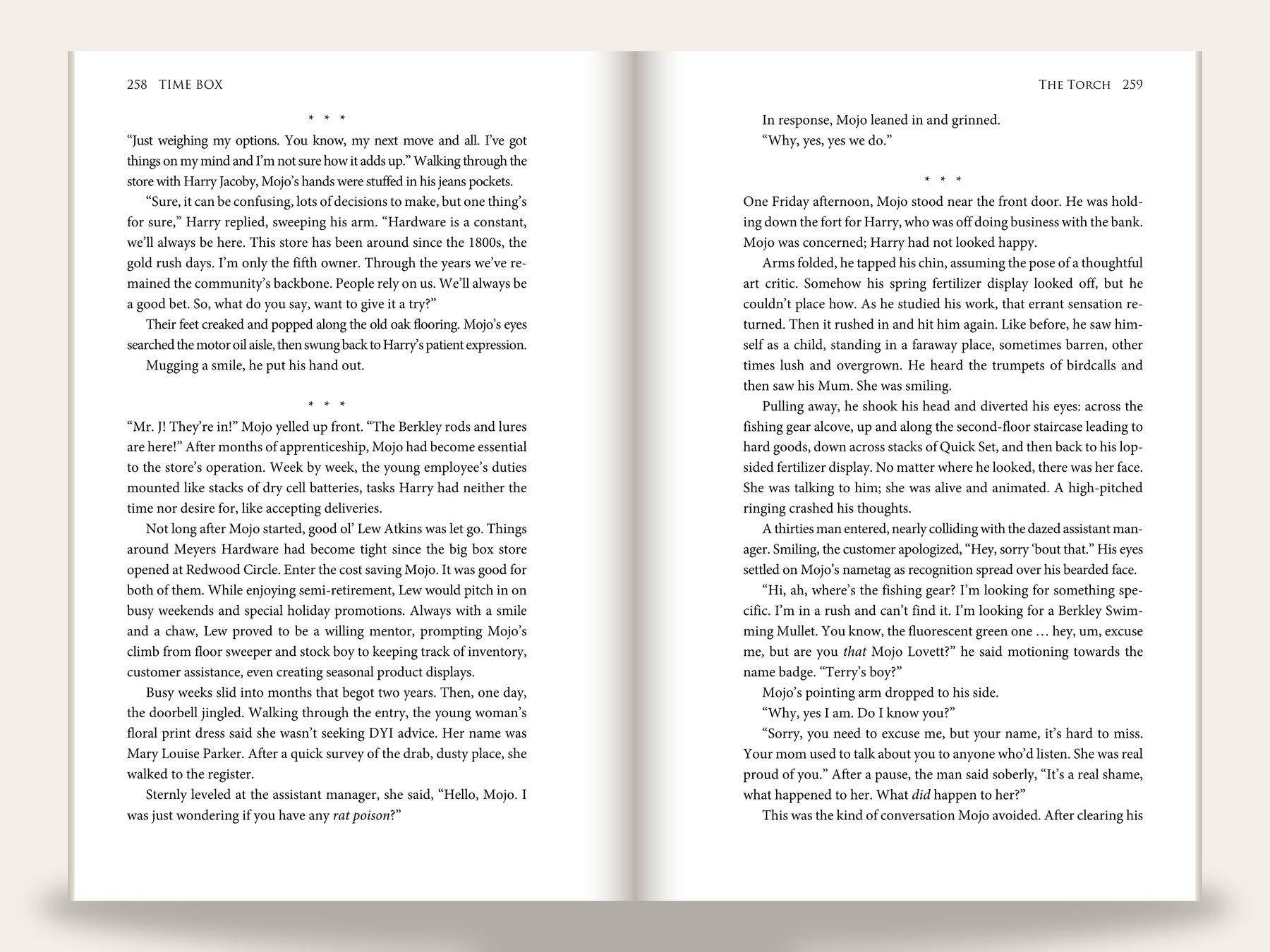
If you’re unsure, 6x9 is the safe default: it’s the most popular size and what readers expect for a novel or non-fiction trade paperback. Other common standards are 5x8 and 5.5x8.5 for fiction, 7x10 or 8.5x11 for workbooks and large-format non-fiction, and 8.5x8.5 (square) for children’s books. Custom sizes are possible too, within each platform’s limits, so we’ll build to whatever you have in mind. Wider or taller trims cost a little more per page, so it’s best to settle the size before we lay out the interior.
How long does it take? +
A standard novel is typically ready in 1-2 weeks from when you send the final manuscript. Adding other platforms can take a bit longer. Every book is different, so we’ll always try to work with your launch deadline.
Do you handle the cover? +
No, we focus on the interior. Cover design is a separate craft, and we’re happy to recommend a trusted specialist if you need one.
Should I design my cover before or after the interior? +
You can start the front cover art whenever you like. What has to wait is the full print cover (the wraparound with the spine), since spine width depends on your final page count, which isn’t set until the interior is laid out. We’ll give you the exact page count and trim size your cover designer needs.
What file format do you need from me? +
A Word document (.docx) is ideal. We also accept InDesign and un-scanned PDFs (i.e. PDFs exported from Word or InDesign, not photographed pages or OCR scans of printed books). If all you have is a scanned print copy, we’ll let you know before quoting whether it’s workable.
What if the file gets rejected at upload? +
Every file is tested against the live KDP previewer or Ingram preflight before delivery, so rejections are rare. If one does come back, we revise as many times as it takes to get it accepted, at no extra charge.
Can you help bring down my print cost? +
Within reason, yes. For print, cost comes down mainly to page count and whether you print in color or black and white, and layout choices like trim, font, and spacing affect the page count. If a low print price matters to you, say so up front and we’ll build the layout around it. Ebooks are different: there’s no per-page cost, but since some retailers charge a delivery fee by file size, we keep images efficiently compressed.
Do I get to see a proof before it’s final? +
Yes. You can review the book in your platform’s online previewer before publishing, and for print it’s always advisable to order a printed proof copy and see it in your hands. A screen never quite matches paper, and a proof copy is the surest way to catch anything you’d want to adjust.
What front and back matter should my book include? +
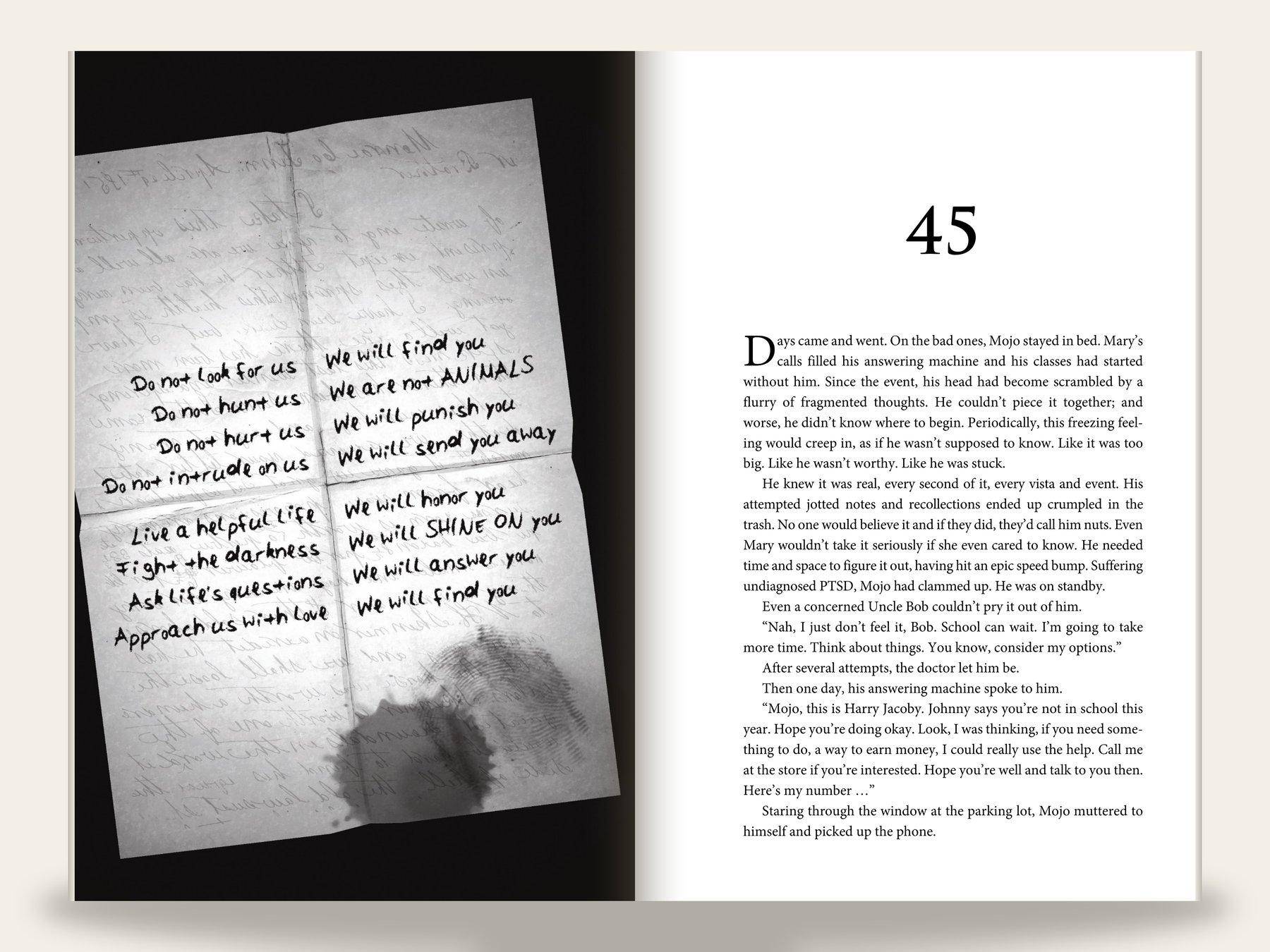
It depends on the book, but a typical setup is a title page, copyright page, and dedication at the front, sometimes a foreword or preface, then the chapters, and at the back an acknowledgments page, an “about the author” page, and a short “leave a review” page. Non-fiction often adds a table of contents, an introduction, and sometimes an index or notes. We set up the standard pages for your book type as part of the layout and flag anything that looks missing, so you don’t have to memorize the list.
What about hardcover? +
Hardcover changes spine width and case/jacket considerations, but the interior stays the same as the paperback. KDP now supports hardcover, and Ingram and Lulu both support it too.